
Satellite prices at sea keep moving. Nowhere Networks customers save between 50 and 90% by running a hybrid connection instead of satellite alone.
Each change makes sense on its own. Together they make connectivity one of the hardest lines in a fleet budget to predict, when the whole fleet runs on satellite alone.
Charges that weren’t on the price list when the contract was signed.
The same traffic costs more from one billing period to the next.
Unlimited and promotional offers are launched, pulled and brought back on a deadline.
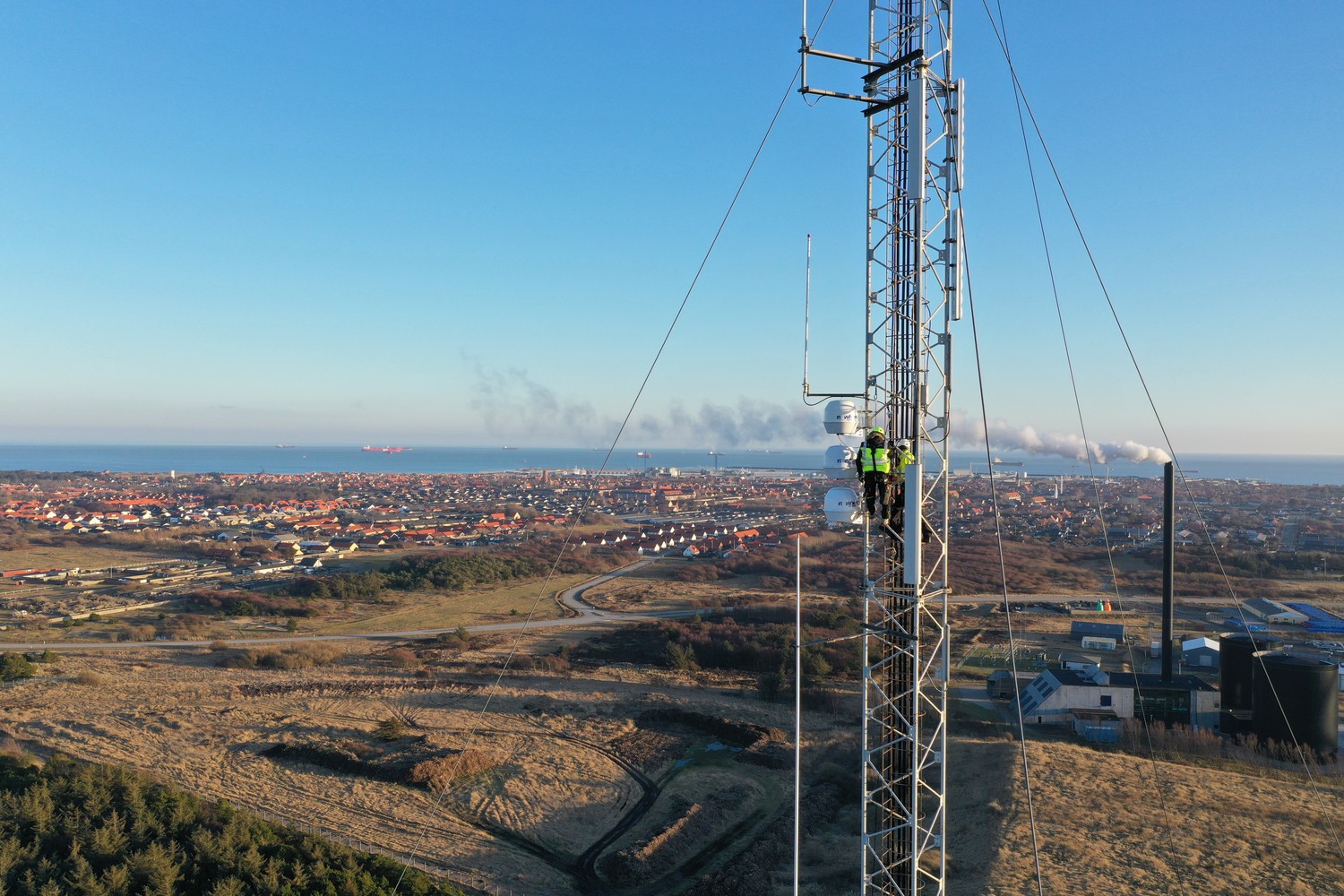
Nowhere Networks runs its own shore-to-ship radio network, a dedicated maritime network rather than a mobile one, and combines it with satellite for open water, managed as one connection.
Our own radio network carries as much of the traffic as possible, because that’s where the connection is best and most cost-efficient. On open water, satellite takes over. When one link gets slow, drops out or gets more expensive, traffic moves to the other. Nobody on board notices. The budget does.
We built the radio network ourselves, so our customers are never tied to a single provider’s price list.
That’s the range Nowhere Networks customers save by running a hybrid connection instead of satellite alone.
No rip-and-replace: the hybrid layer works with the setup you already run.
“The solution offers higher capacity, bandwidth, and quality at significantly lower cost.”
Rikard Karlsson, Head of Vessel Technology & ConnectivityRead the case →
“To my knowledge, no other maritime connectivity provider offers such comprehensive internet connectivity solutions, particularly at such cost-effective rates.”
Kenneth Påvall, Service Manager, IT InfrastructureRead the case →
“If you want to maximize your connectivity at the lowest possible cost, the only option is to combine radio-based/land-based connectivity and Low Earth Orbit (LEO) technology.”
Seamus McCarville, CIORead the case →
Tell us your routes and your current setup. We’ll show you what a hybrid connection would change.
