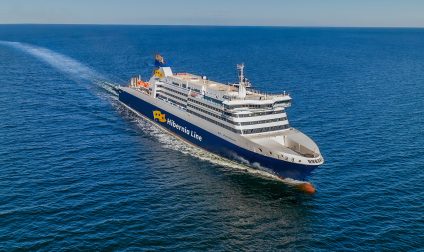

For cruise operators in the Mediterranean, connectivity is part of the core infrastructure.
Passengers expect streaming, video calls, and social media to just work. Crew depend on stable connections to stay in touch with home. Ship systems like booking, manifests, IoT, route optimization, they are cloud-based and latency-sensitive. When the network drops, operations feel it immediately.
According to industry reporting, internet service on cruise ships has dramatically improved, enabling email, streaming, and messaging in ways that would have been unheard of a decade ago, but the experience still isn’t the same as onshore broadband, and reliability can vary widely by ship and location.
That’s why 99.9% uptime matters. And in the Mediterranean, it’s fully achievable if the network is designed the right way.
The Mediterranean Advantage
Unlike long ocean crossings, Mediterranean routes stay close to shore and within reach of dense infrastructure. Ships move between ports, coastal corridors, and high-coverage zones.
This creates a unique opportunity: you don’t have to rely on a single connectivity method.
A resilient cruise network in the Med should combine:
- Land-based high-capacity radio links
- LEO satellite connectivity
- LTE/5G near ports
- Optional VSAT for additional resilience
Engineering Uptime — Not Hoping for It
True reliability comes from intelligent orchestration. To realistically reach 99.9% uptime, three things must be in place:
- Active multi-bearer operation – Links run simultaneously, not as cold backups. If one degrades, traffic shifts automatically and instantly.
- Intelligent traffic management –Critical systems always take priority over passenger streaming. Bandwidth is allocated dynamically based on real-time conditions.
- End-to-end control – One integrated architecture, unified monitoring, and clear accountability. No finger-pointing between vendors.
When this is done correctly, passengers never notice handovers between land-based links, LTE, and satellite. Operations continue uninterrupted. And importantly, satellite stops being the only lifeline – it becomes part of a balanced, cost-efficient hybrid model.
From Connectivity to Competitive Edge
99.9% uptime equals less than nine hours of downtime per year. In the Mediterranean, with overlapping coastal coverage and intelligent failover, that threshold is realistic.